Starting kindergarten is a big milestone for children and parents. It is exciting, emotional, and sometimes a little overwhelming. Many families begin asking the same question: “Is my child ready for kindergarten?”
Kindergarten readiness is not only about knowing letters, numbers, shapes, or colors. It also includes confidence, communication, independence, emotional control, social skills, and the ability to follow routines.
At The Learning Treehouse in Pasadena, TX, we help children build these important skills through play-based learning, daily routines, caring teacher support, and age-appropriate classroom experiences.
Families who want to understand our full care approach can also explore our childcare programs in Pasadena, TX.
What Does Kindergarten Readiness Mean?
Kindergarten readiness means a child is developing the skills needed to feel comfortable, confident, and supported in a classroom setting.
A child does not need to read, write, or count perfectly before kindergarten. Readiness is more about being able to participate in group routines, communicate basic needs, try new activities, listen to simple directions, and interact with teachers and classmates.
Important readiness skills include:
- Listening to directions
- Communicating needs
- Playing with other children
- Managing emotions
- Following routines
- Practicing independence
- Showing curiosity
- Participating in group activities
- Building early literacy and math awareness
Every child develops at their own pace. A strong childcare environment can help children feel more prepared for the transition into kindergarten.
Social Skills Help Children Join the Classroom
In kindergarten, children spend much of the day with teachers and classmates. That is why social skills are such an important part of readiness.
Before kindergarten, children should begin learning how to share, take turns, use kind words, listen during group time, and play with others.
These skills are built through daily practice. Children learn by interacting with classmates during play, meals, storytime, art, music, outdoor play, and classroom routines.
Our toddler and preschool program helps children build early communication, social interaction, confidence, and play-based learning skills.
Emotional Confidence Matters
It is normal for children to feel nervous before kindergarten. Emotional readiness helps children manage new routines, new teachers, new classmates, and a bigger classroom environment.
Children benefit from learning how to express feelings, ask for help, calm down after being upset, and separate from parents with more confidence.
A caring childcare center supports emotional growth by helping children feel safe, heard, and understood. Teachers can guide children with calm words, predictable routines, and gentle support during transitions.
Our safe and clean environment helps children feel secure and comfortable throughout the day.
Communication Skills Build Confidence
Communication is a major part of kindergarten readiness. Children need to use words, gestures, or simple phrases to express needs, answer questions, ask for help, and participate in classroom activities.
Helpful communication skills include:
- Saying their name
- Asking for help
- Answering simple questions
- Following basic instructions
- Talking about feelings
- Using words during play
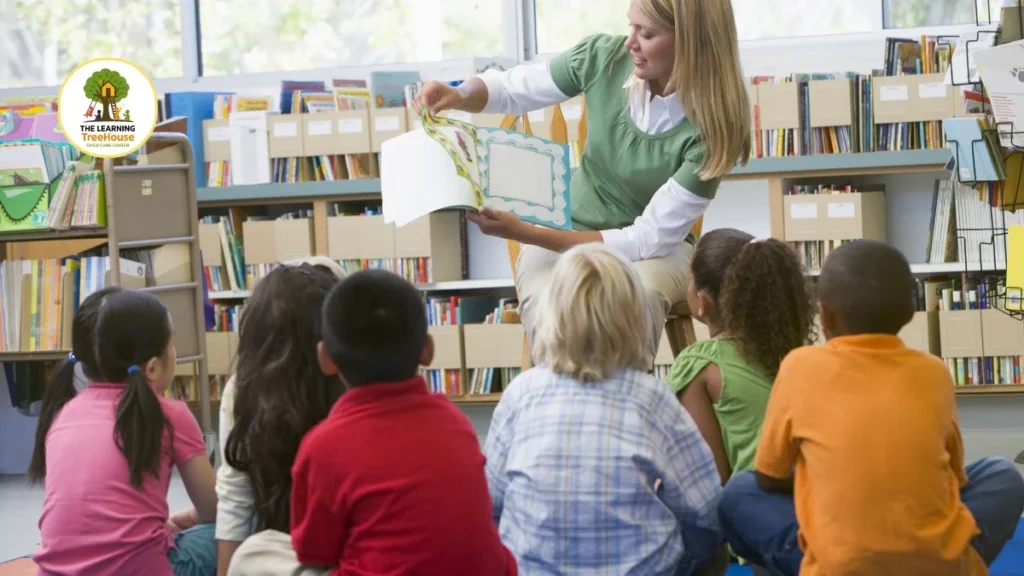
- Listening during storytime
- Sharing ideas with teachers or friends
Children build these skills through stories, songs, conversations, pretend play, group activities, and teacher interaction.
Our teaching environment supports children through language-rich activities, play, routines, and caring teacher guidance.
Independence Prepares Children for School
Kindergarten often requires children to do more things on their own. They may need to wash hands, clean up toys, carry a backpack, open lunch items, follow bathroom routines, or put away classroom materials.
Independence does not mean children do everything perfectly. It means they are learning to try, participate, and build confidence.
Parents and teachers can support independence by giving children small responsibilities, such as putting toys away, choosing a book, helping set napkins, carrying a light backpack, or trying to zip a jacket.
Small daily habits help children feel capable and ready for school.
Early Learning Skills Should Feel Fun
Early learning matters, but it should not feel stressful for young children. Before kindergarten, children benefit from fun exposure to letters, numbers, colors, shapes, stories, songs, drawing, and hands-on activities.
Helpful early learning skills include:
- Recognizing some letters
- Counting simple objects
- Listening to stories
- Identifying colors and shapes
- Holding crayons
- Drawing or coloring
- Singing rhymes and songs
- Matching and sorting objects
- Building with blocks
- Exploring simple science ideas
These activities support early literacy, math, fine motor skills, thinking skills, and curiosity.
Our Early Pre-Kindergarten Program and Pre-Kindergarten Program help children build school readiness through structured learning, play, creativity, and daily routines.
Daily Routines Help Children Feel Ready
Children feel more comfortable when they know what to expect. A predictable daily routine helps children understand transitions and participate more confidently.
In childcare, children practice routines like arrival, circle time, learning activities, meals, outdoor play, rest time, cleanup, snack, and pickup.
These routines help children learn patience, listening, responsibility, and self-control. They also help children adjust to the structure they will experience in kindergarten.
Our classroom environment is designed to support children with warm routines, organized spaces, and age-appropriate learning.
Fine Motor Skills Support Classroom Tasks
Fine motor skills help children use their hands and fingers for everyday school activities. These skills support drawing, coloring, cutting, building, turning pages, using utensils, opening containers, and later writing.
Children can build fine motor skills through:
- Coloring
- Playdough
- Puzzles
- Blocks
- Stringing beads
- Tearing paper
- Using child-safe scissors
- Picking up small objects
- Painting
- Building with small toys
These activities help strengthen hand muscles and coordination in a natural, playful way.
Play Builds School Readiness
Play is one of the most powerful ways children learn. Through play, children practice language, problem-solving, creativity, teamwork, patience, imagination, and emotional expression.
Pretend play helps children understand roles and routines. Building activities support planning and problem-solving. Outdoor play supports coordination and confidence. Group play supports sharing, turn-taking, and communication.
Our indoor play area and outdoor play area give children opportunities to move, explore, create, and build friendships in supervised spaces.
Meals and Rest Support Readiness Too
Children need energy and rest to learn well. A child who is hungry, tired, or overstimulated may have a harder time focusing, listening, or managing emotions.
Healthy meals, snacks, hydration, and rest time help children feel more balanced during the day.
Our nutrition and meal area supports children with clean, supervised mealtimes, while our resting area gives children a calm place to recharge.
How Parents Can Help at Home
Parents can support kindergarten readiness through simple daily habits.
You can:
- Read together every day
- Talk about feelings
- Practice taking turns
- Count everyday objects
- Let your child help with small tasks
- Encourage cleanup after play
- Practice simple routines
- Sing songs and rhymes
- Ask your child about their day
- Encourage trying before helping
The goal is not pressure. The goal is confidence, connection, and steady growth.
When Should Parents Start Preparing for Kindergarten?
Kindergarten readiness begins long before the first day of school. Children build readiness through everyday routines, conversations, play, social experiences, and age-appropriate learning.
Parents do not need to wait until the final months before kindergarten. Small habits during toddler, preschool, Early Pre-K, and Pre-K years all support the transition.
A strong childcare center can help children build these skills gradually and naturally over time.
Final Thoughts
Kindergarten readiness is about helping children feel prepared, supported, and excited for the next step.
Children need more than academic skills. They need confidence, communication, independence, emotional support, social skills, routines, and hands-on learning experiences.
At The Learning Treehouse in Pasadena, TX, we help children build the social, emotional, and early learning skills they need for school success.
Call (713) 485-4004 or schedule a tour today to learn more about our childcare programs.
Kindergarten Readiness FAQs
Does my child need to read before kindergarten?
No. Children do not need to read perfectly before kindergarten. Early literacy skills like enjoying books, listening to stories, recognizing some letters, and showing interest in reading are more important.
What skills should my child know before kindergarten?
Helpful kindergarten readiness skills include listening, following routines, communicating needs, sharing, taking turns, recognizing some letters and numbers, using crayons, and practicing independence.
Can a childcare center help with kindergarten readiness?
Yes. A childcare center helps children practice routines, social skills, communication, independence, emotional confidence, early learning, and group participation.
How can parents support kindergarten readiness at home?
Parents can read daily, talk about feelings, count everyday objects, encourage cleanup, practice routines, sing songs, and let children help with simple tasks.
Is social development part of kindergarten readiness?
Yes. Social development is very important. Children benefit from learning how to share, take turns, listen, use kind words, and play with classmates.
Why are routines important before kindergarten?
Routines help children understand what comes next. This supports confidence, smoother transitions, listening skills, independence, and emotional security.
Should kindergarten readiness feel academic or playful?
For young children, readiness should feel playful and age appropriate. Stories, songs, art, building, counting games, and pretend play can all support early learning.
How can I learn more about The Learning Treehouse?
Parents can call (713) 485-4004 or schedule a tour to learn more about kindergarten readiness support at The Learning Treehouse in Pasadena, TX.